Tour and Travels in Mathura: Why Most Visitors Get It Wrong (And How to Do It Right)
Most travelers assume Mathura is an easy destination.
A few temples, short distances, and one relaxed day — that’s the expectation.
The reality is very different.
Mathura and Vrindavan are among the most spiritually important cities in India, but they are also some of the most challenging places to navigate. Narrow lanes, unpredictable crowds, restricted parking near temples, and constantly changing darshan timings catch most visitors off guard.
That is why choosing the right tour and travels in Mathura is not just a convenience — it directly affects how peaceful, comfortable, and meaningful your visit feels.
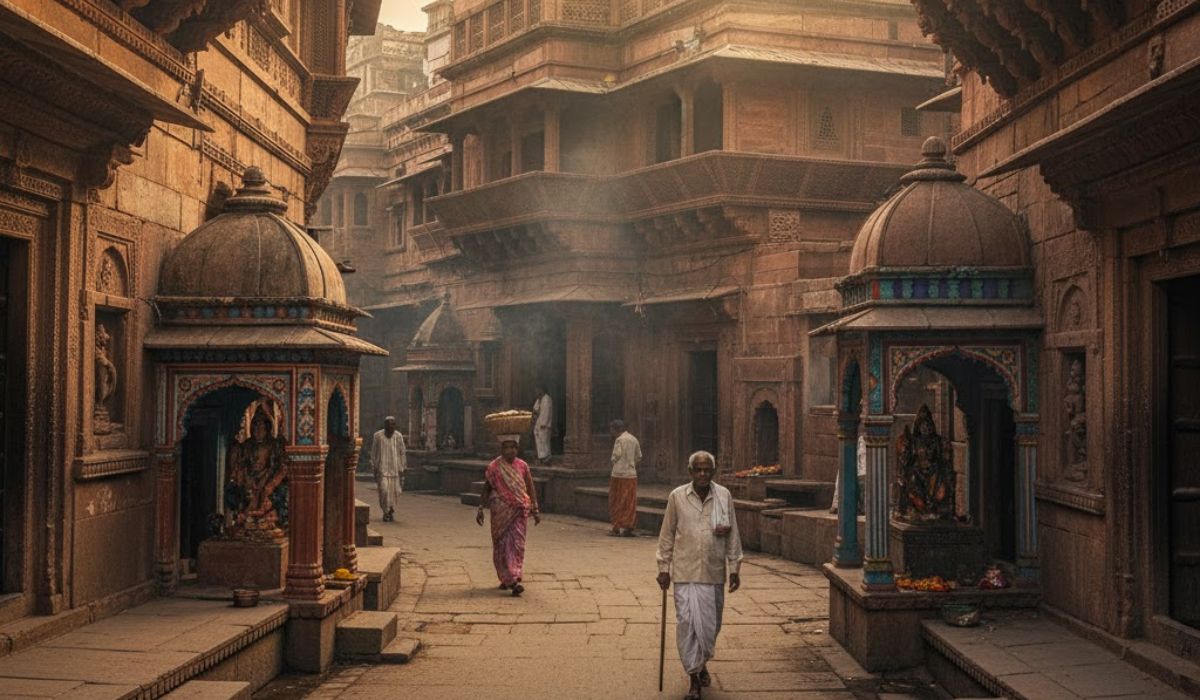
A glimpse of old Mathura temple lanes, highlighting the authentic experience of tour and travels in Mathura.
This guide explains how travel actually works on the ground in Mathura and Vrindavan, what most tourists get wrong, and how to plan the journey properly.
Planning your first visit from Delhi?
A same day Mathura Vrindavan tour from Delhi is a simple way to experience both cities calmly, without worrying about routes, timing, or crowds.
Understanding the Ground Reality of Mathura
Mathura is not built for modern tourism.
Here is what first-time visitors usually don’t anticipate:
-
Vehicles cannot reach many temple entrances
-
Walking is unavoidable in old city areas
-
Traffic diversions are common, especially on weekends
-
Darshan timings can change without notice
-
Festivals can bring the city to a standstill
Without structured planning, visitors often spend more time managing logistics than experiencing the spiritual side of the city.
This is where professional tour planning makes a real difference.
What a Good Tour Plan in Mathura Actually Solves
A reliable tour plan is not about covering more places.
It is about covering the right places at the right time.
Well-organized travel in Mathura focuses on:
-
Logical sequencing of temple visits
-
Timing darshan to avoid peak congestion
-
Choosing practical routes instead of shortest routes
-
Allowing rest breaks, especially for elders
-
Keeping the pace realistic, not rushed
When planning is done properly, the experience feels calm instead of exhausting.
Mathura and Vrindavan: Why They Should Be Planned Together
Mathura and Vrindavan are deeply connected, but they function very differently.
Travelers who plan them separately often end up repeating routes, wasting time, or feeling drained before the day is over.
A combined approach allows:
-
Smoother movement between both cities
-
Better timing for important temples like Banke Bihari
-
Balanced time instead of rushing one place
-
Less physical fatigue from unnecessary walking
Covering both cities in a single, well-structured plan is usually the most practical option for most visitors.
Why Vrindavan Needs Extra Planning
Vrindavan appears small on a map, but it is one of the most crowded pilgrimage towns in the region.
The challenges include:
-
Walking-only temple zones
-
Heavy congestion near Banke Bihari Temple
-
Sudden crowd surges during aarti timings
-
Limited parking around major temples
Without local insight, Vrindavan can feel overwhelming. With proper planning, it becomes one of the most spiritually fulfilling parts of the journey.
What “Luxury” Really Means in Mathura Travel
Luxury in Mathura is often misunderstood.
Here, luxury does not mean flashy branding or unnecessary extras.
It means comfort, flexibility, and peace of mind.
A well-managed experience focuses on:
-
Clean, private transportation
-
No waiting for large groups
-
Flexible pacing based on your needs
-
Reduced stress during temple visits
-
Clear coordination throughout the day
In a spiritual destination, comfort directly affects the quality of the experience.
Who Benefits Most From Tour and Travels in Mathura
Structured travel planning is especially helpful for:
-
Senior citizens
-
Families with children
-
First-time visitors
-
Travelers on short trips from Delhi or Agra
-
International visitors unfamiliar with local conditions
For these travelers, careful planning avoids confusion and unnecessary fatigue.
Common Mistakes That Spoil a Tour and Travels in Mathura
Many visitors unintentionally ruin their own experience by:
-
Choosing the cheapest option without understanding the plan
-
Trying to visit too many temples in one day
-
Ignoring darshan timing realities
-
Underestimating walking distances
-
Assuming all travel services offer the same quality
Most disappointment comes from poor planning, not the destination itself.
A Thoughtful Way to Experience Tour and Travels in Mathura and Vrindavan
North India Private Tours focuses on private, well-paced journeys rather than mass tourism.
Their approach emphasizes:
-
Comfortable travel
-
Practical timing
-
Respect for religious customs
-
Calm, organized movement
This style suits travelers who want a meaningful experience rather than a rushed checklist.
Frequently Asked Questions
Is it better to book a private tour for Mathura and Vrindavan?
Yes. Private tours allow flexible timing, less waiting, and a calmer experience, which is especially important in crowded temple areas.
Can Mathura and Vrindavan be covered comfortably in one day?
Yes, if the visit is well planned, starts early, and follows a logical route without unnecessary backtracking.
Is Mathura suitable for senior citizens and families?
Yes. With proper pacing, rest breaks, and thoughtful planning, Mathura and Vrindavan are suitable for seniors and families.
How much walking is involved during temple visits?
Some walking is unavoidable near major temples, but good planning can reduce unnecessary walking significantly.
When is the best time to visit Mathura and Vrindavan?
Weekdays are generally less crowded. Early mornings are ideal, while festivals require advance planning due to heavy crowds.
Should tours be booked in advance?
Yes. Advance booking is recommended, especially on weekends and during religious festivals, when availability becomes limited.
What makes a planned tour better than a self-planned visit?
A planned tour manages timing, routes, crowds, and pacing efficiently, allowing visitors to focus on the spiritual experience instead of logistics.
Final Note – Tour and Travels in Mathura
Mathura and Vrindavan are not places to rush through.
With the right planning, the journey feels peaceful, organized, and deeply meaningful.
Without it, even a short visit can feel exhausting.
Choosing your travel plan carefully makes all the difference.
Private Mathura–Vrindavan tours can be planned with North India Private Tours for travelers seeking comfort, clarity, and a well-balanced experience.